



Experiencing Ramadan in Saudi Arabia is unlike anywhere else in the world.
As the birthplace of Islam and home to Makkah and Madinah, the Kingdom becomes the spiritual center of the Muslim world during this sacred month. Life slows down by day, then transforms after sunset into a vibrant blend of worship, generosity, family gatherings, and culture.
For expats and visitors, Ramadan can feel unfamiliar at first—but once understood, it becomes one of the most meaningful times to live in or visit Saudi Arabia.
This guide explains everything you need to know—from fasting rules and working hours to iftar traditions, nightlife, Umrah, and practical do’s and don’ts.
What Makes Ramadan in Saudi Arabia Unique
Ramadan here is not just observed—it is lived collectively.
- Mosques fill for Taraweeh prayers
- Streets quiet during the day, then come alive after Maghrib
- Free iftar meals are offered everywhere
- Families, neighbors, and even strangers break fast together
For many Muslim expats, Saudi Arabia feels like the most spiritually fulfilling place to observe Ramadan.
When Does Ramadan Start and End in Saudi Arabia?
Ramadan begins with the official moon sighting, announced by the Saudi Supreme Court.
Expected Ramadan Dates
- Ramadan 2026 (Expected):
- Begins: Evening of 17 February 2026
- First fast: 18 February 2026
- Ends: Around 18 March 2026 (subject to moon sighting)
⚠️ Dates may vary by 1 day depending on the moon sighting.
Fasting Hours and Daily Rhythm
Fasting runs from Fajr (dawn) to Maghrib (sunset).
Approximate Fasting Duration
- Around 13–14 hours per day
- Slight variations by city:
- Riyadh
- Jeddah
- Dammam
Ramadan reshapes the day:
- Morning: Quiet, slow-paced
- Afternoon: Rest and worship
- Night: Social life, shopping, prayers, food until Suhoor
Iftar and Suhoor Traditions in Saudi Arabia
Iftar (Breaking the Fast)
Traditionally begins with:
- Dates
- Water or Arabic coffee
- Lentil soup (shorbat adas)
Popular dishes:
- Sambousek
- Kabsa
- Luqaimat
- Vimto (Ramadan favorite)
Suhoor (Pre-Dawn Meal)
- Light and sustaining
- Bread, labneh, eggs, honey, tea
- Often eaten between 3:30–4:45 AM

Ramadan Life for Expats
For expats, Ramadan is often a blend of home traditions and Saudi culture.
- Pakistani, Indian, Arab, Turkish, African, and Southeast Asian dishes all appear on iftar tables
- Community iftars are common
- Many expats choose not to travel home during Ramadan
Muslim expats often describe Ramadan in Saudi Arabia as:
“More peaceful, organized, and spiritually focused than anywhere else.”
Visiting Saudi Arabia During Ramadan
Yes—tourists are welcome during Ramadan.
What visitors should expect:
- Shorter working hours
- Some restaurants closed during daytime
- Hotels operate normally
- Evenings are vibrant and festive
Many visitors find Ramadan the most authentic cultural experience Saudi Arabia offers.
Rules, Etiquette, and Cultural Respect
Eating & Drinking in Public
- Eating, drinking, or smoking in public before sunset is discouraged
- Hotels and private spaces serve food discreetly
Dress Code
- Modest clothing is strongly recommended
- Loose, respectful attire is best
Behavior
- Loud music and public celebrations during fasting hours are inappropriate
- Respect prayer times and mosque surroundings
Working Hours During Ramadan
Government Sector
- Usually 10:00 AM – 3:00 PM
Private Sector
- Reduced to 5–6 hours per day
- Many offices shift to late afternoon schedules
Productivity expectations are adjusted, and meetings often happen after iftar.
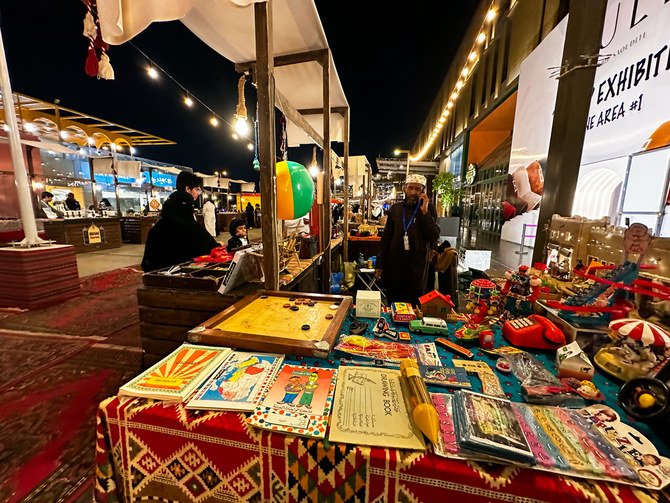
Shopping, Restaurants, and Night Markets
After Maghrib:
- Malls stay open until 2–4 AM
- Night markets appear
- Ramadan tents and buffets fill hotels
Delivery apps like Jahez, HungerStation, and Talabat operate normally—but are busiest at iftar time.
Umrah and Spiritual Life During Ramadan
Performing Umrah during Ramadan holds immense spiritual value.
- Masjid Al-Haram and Masjid-e-Nabawi host massive iftar gatherings
- Taraweeh prayers draw millions
- The last 10 nights are especially significant (Laylat al-Qadr)
Pilgrims from around the world arrive during this month.
Charity, Community, and Brotherhood
Charity peaks during Ramadan:
- Zakat and Sadaqah increase
- Free iftar meals are distributed everywhere
- Volunteers organize food drives and mosque services
This sense of collective generosity is one of Ramadan’s most defining features in Saudi Arabia.
Frequently Asked Questions (FAQs)
Is Ramadan difficult for non-Muslims in Saudi Arabia?
No. As long as you are respectful, life is comfortable and well-organized.
Are restaurants open during Ramadan?
Dine-in opens after sunset; hotels serve discreetly during the day.
Can tourists visit Makkah during Ramadan?
Only Muslims can enter Makkah. Non-Muslims can visit other cities freely.
Are working hours reduced for everyone?
Yes, both public and private sectors follow reduced hours.
Is Ramadan a good time to visit Saudi Arabia?
Yes—especially for cultural and spiritual experiences.
Do malls and shops close?
No. They usually open late and stay open very late.
