



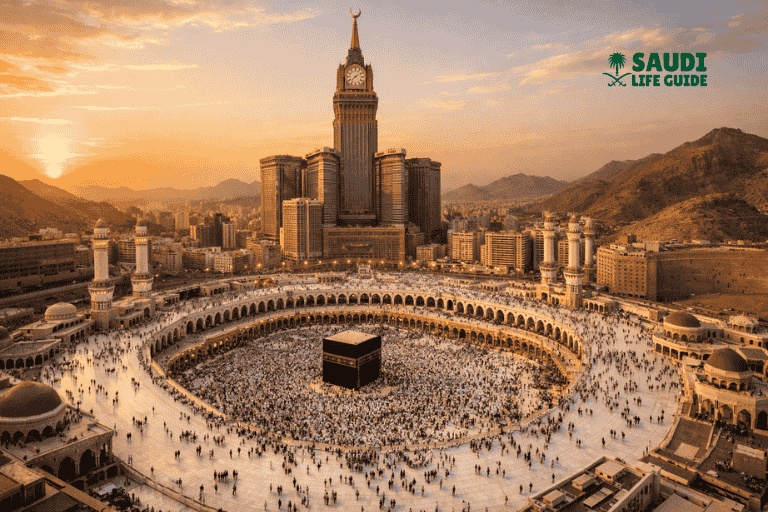
Makkah, the birthplace of Islam and the most sacred city for Muslims worldwide, attracts millions of pilgrims annually for Hajj and Umrah. Beyond Masjid Al-Haram lies a treasure trove of historical sites that witnessed pivotal moments in Islamic history. This comprehensive guide covers all the essential places to visit in Makkah, helping you plan a spiritually enriching journey.
Sacred Sites Within and Around Masjid Al-Haram
1. Masjid Al-Haram (The Grand Mosque)
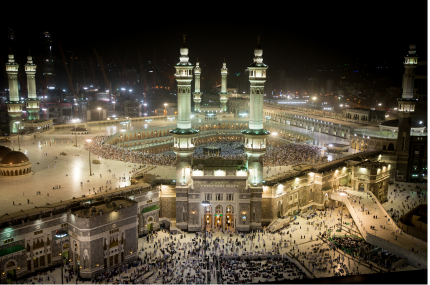
Masjid Al-Haram is the holiest site in Islam and the focal point of every Muslim’s prayers. The mosque houses several sacred sites:
- The Holy Kaaba: The cube-shaped structure that Muslims face during prayer, originally built by Prophet Ibrahim (AS) and his son Ismail (AS).
- Hajr-e-Aswad (The Black Stone): Located in the eastern corner of the Kaaba, this blessed stone dates back to the time of Prophet Ibrahim (AS). Pilgrims try to touch or gesture towards it during Tawaf.
- Maqam-e-Ibrahim: The station where Prophet Ibrahim (AS) stood while building the Kaaba. The stone remarkably preserves his footprints.
- Safa and Marwa: Two small hills between which Hajar (AS) ran searching for water for her son Ismail (AS). Sa’i (walking between these hills) is an essential part of Umrah and Hajj.
- Zamzam Well: Located within the mosque premises, this miraculous spring emerged under the feet of infant Ismail (AS) over 4,000 years ago.
Many expats living in Saudi Arabia visit Masjid Al-Haram for Umrah throughout the year. The mosque can accommodate over 2 million worshippers during Hajj season.
Location: Masjid Al-Haram, Makkah Best Time: Early morning hours (1-5 AM) are less crowded
2. Masjid Aisha (Masjid Al-Taneem)
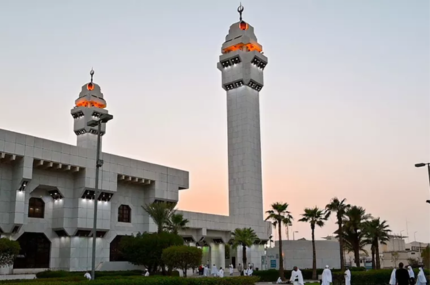
Masjid Aisha, also known as Masjid Al-Taneem, is the closest and most important Miqat (boundary point) for residents of Makkah. Located approximately 7 kilometers from Masjid Al-Haram, this is where pilgrims living in Makkah go to assume Ihram for Umrah.
The mosque is named after Aisha (RA), the wife of Prophet Muhammad (PBUH), who entered Ihram from this location during the Farewell Hajj. The mosque has been significantly expanded and can now accommodate over 47,000 worshippers simultaneously.
For expats residing in Makkah or nearby cities like Jeddah, this mosque serves as the starting point for their Umrah journey. The facility includes separate sections for men and women, ample parking, and amenities for pilgrims.
Location: Masjid Aisha Location Distance from Haram: Approximately 7 km Facilities: Free Ihram clothing available, washrooms, prayer areas
Historical Caves and Mountains
3. Cave of Hira (Jabal Al-Nour)
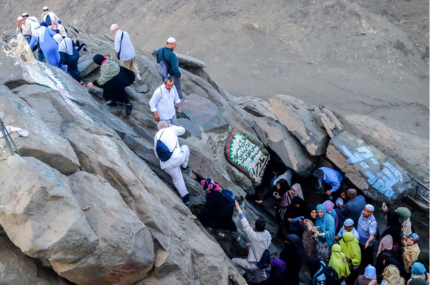
Jabal Al-Nour, meaning “Mountain of Light,” houses the sacred Cave of Hira where Prophet Muhammad (PBUH) received the first revelation of the Quran through Angel Jibreel (AS). This momentous event occurred on the 27th night of Ramadan, marking the beginning of Prophethood.
The cave is located approximately 4 kilometers northeast of Masjid Al-Haram. The mountain stands 642 meters high, and reaching the cave requires approximately 1,200 steps and takes about 1.5-2 hours of hiking. The cave itself is small, measuring roughly 3.7 meters long and 1.6 meters wide.
Before Prophethood, Muhammad (PBUH) would often retreat to this cave for meditation and contemplation. The cave offers a powerful spiritual experience for visitors who can reflect on the magnitude of revelation that transformed humanity.
Important Notes for Visitors:
- Wear comfortable, non-slip shoes for the rocky climb
- Bring water and avoid climbing during peak heat (11 AM – 4 PM)
- The climb is moderately difficult; assess your fitness level
- No prayer or specific worship is prescribed at the cave itself
- Photography is allowed but maintain respectful behavior
Location: Jabal Al-Nour Location Hiking Duration: 1.5-2 hours one way Best Time: Early morning or late afternoon
4. Cave of Thawr (Jabal Thawr)
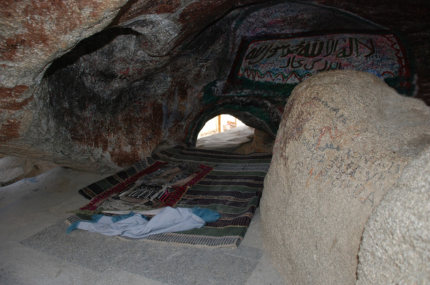
Jabal Thawr holds immense historical significance as the hiding place of Prophet Muhammad (PBUH) and Abu Bakr (RA) during their migration (Hijrah) from Makkah to Madinah. When the Quraysh pursued them, the two companions took refuge in this cave for three nights.
According to Islamic tradition, Allah protected them through a miracle—a spider spun a web across the cave entrance, and a bird laid eggs, making it appear that no one could have recently entered. When the pursuers reached the cave, they assumed it was empty and turned back. This event is referenced in the Quran: “If you do not aid the Prophet – Allah has already aided him when those who disbelieved had driven him out [of Makkah] as one of two, when they were in the cave…” (Quran 9:40)
The mountain is located approximately 8 kilometers south of Masjid Al-Haram and stands about 760 meters high. The climb to Cave of Thawr is more challenging than Jabal Al-Nour, taking approximately 2-3 hours and requiring good physical fitness.
Location: Jabal Thawr Location Hiking Duration: 2-3 hours one way Difficulty Level: Challenging
5. Mount Abu Qubais
Mount Abu Qubais is one of the most historically significant mountains in Makkah, located directly east of Masjid Al-Haram. Islamic tradition holds that this was the first mountain created by Allah on Earth and has witnessed several miraculous events.
Most notably, this is where Prophet Muhammad (PBUH) performed the miracle of splitting the moon into two halves, as mentioned in the Quran: “The Hour has drawn near and the moon was split [in two]” (Quran 54:1). This miracle was performed in response to the Quraysh’s demand for a sign of Prophethood.
According to various Islamic historical accounts, when the Great Flood occurred during the time of Prophet Nuh (AS), the Kaaba was raised to this mountain for protection. Some narrations also suggest that Prophet Adam (AS) was buried here, though this is not definitively confirmed.
The mountain provides an excellent vantage point for viewing Masjid Al-Haram and the surrounding area. Unlike Jabal Al-Nour and Jabal Thawr, this mountain is more accessible and requires less strenuous climbing.
Location: Near Masjid Al-Haram, eastern side Historical Significance: Site of moon-splitting miracle Accessibility: Relatively easy climb
Sacred Cemeteries
6. Jannat Al-Mualla (Cemetery of Makkah)
Jannat Al-Mualla, also known as Al-Hajun, is the ancient cemetery of Makkah where many of Prophet Muhammad’s (PBUH) family members and close companions are buried. The cemetery holds deep emotional significance as the Prophet (PBUH) frequently visited to pray for the deceased.
Notable Personalities Buried Here:
- Khadijah bint Khuwaylid (RA) – The Prophet’s first wife and mother of his children
- Abu Talib – The Prophet’s uncle who protected him during difficult times
- Abdul Muttalib – The Prophet’s grandfather
- Abdullah bin Abdul Muttalib – The Prophet’s father
- Aminah bint Wahb – The Prophet’s mother (some scholars differ on this)
- Numerous Sahaba (companions) and early Muslims
The cemetery was extensively developed during Ottoman times with mausoleums and markers. However, following Saudi rule, the graves were leveled in accordance with Islamic teachings against elaborate grave structures. Today, the cemetery appears simple with unmarked graves, reflecting the Islamic principle of equality in death.
Visitor Guidelines:
- Enter with the right foot and recite the prescribed dua
- Make dua for the deceased, not to them
- Do not sit on graves or step over them
- Photography is generally discouraged
- Maintain respectful silence
Location: Jannat Al-Mualla Location Visiting Hours: Generally open throughout the day Distance from Haram: Approximately 1.5 km
7. Al-Shabeka Graveyard
Al-Shabeka is a lesser-known but historically significant cemetery in Makkah. During the pre-Islamic era of ignorance (Jahiliyyah), this site was tragically used for burying infant daughters alive—a practice strongly condemned and prohibited by Islam.
The cemetery is believed to be the resting place of Sumayya bint Khayyat (RA), recognized as the first female martyr in Islam. She was killed by Abu Jahl for refusing to renounce her faith, and her unwavering commitment to Islam serves as an inspiration for believers.
Location: Al-Shabeka Graveyard Location Historical Context: Pre-Islamic burial site, now Islamic cemetery Significance: First female martyr buried here
Hajj-Related Sites
8. Plain of Arafat and Jabal Rahma
The Plain of Arafat is where all Hajj pilgrims gather on the 9th of Dhul-Hijjah for the most important pillar of Hajj. Standing in Arafat (Wuquf) from noon until sunset is an obligatory act—the Prophet (PBUH) said: “Hajj is Arafat.”
Jabal Rahma (Mount of Mercy): This small hill within the Arafat plains marks the location where:
- Prophet Muhammad (PBUH) delivered his Farewell Sermon in 632 CE
- Prophet Adam (AS) and Hawwa (Eve) reunited after descending to Earth
- The revelation “This day I have perfected for you your religion” (Quran 5:3) was revealed
A white pillar stands atop Jabal Rahma, visible across the plains. While the mount holds historical significance, climbing it is not a religious requirement. Many pilgrims visit outside Hajj season to reflect on this blessed location.
The plains stretch approximately 20 square kilometers and can accommodate over 3 million pilgrims. The area features modern infrastructure including masjids, medical facilities, and transportation hubs.
Location: Arafat Plains Location Distance from Makkah: Approximately 20 km southeast Hajj Day: 9th Dhul-Hijjah Visit Outside Hajj: Permitted and recommended
9. Masjid Al-Nimra
Masjid Al-Nimra is located at the edge of the Arafat plains, partially within and partially outside the boundaries of Arafat. This is the mosque from which the Hajj sermon (Khutbah) is delivered every year on the Day of Arafat.
The mosque stands at the site where Prophet Muhammad (PBUH) delivered his historic Farewell Sermon during his final Hajj in 632 CE. In this sermon, he emphasized fundamental Islamic principles including equality, justice, women’s rights, and the sanctity of life and property.
Important Ruling: Only the rear portion of the mosque falls within the official boundaries of Arafat. Since standing in Arafat is a pillar of Hajj, pilgrims must ensure they are in the correct section of the mosque or the plains during Wuquf.
The mosque has undergone several expansions and can now accommodate approximately 400,000 worshippers. It features modern architecture with air conditioning, multiple entrances, and facilities for pilgrims.
Location: Masjid Al-Nimra Location Capacity: Approximately 400,000 worshippers Special Feature: Khutbah delivered here on Arafat Day
10. Muzdalifah (Al-Mash’ar Al-Haram)
Muzdalifah is the open area between Arafat and Mina where Hajj pilgrims spend the night after leaving Arafat on the 9th of Dhul-Hijjah. This site is mentioned directly in the Quran: “Then when you depart from Arafat, remember Allah at al-Mash’ar al-Haram” (Quran 2:198).
Key Activities in Muzdalifah:
- Spending the night under the open sky (required for most pilgrims)
- Praying Maghrib and Isha combined and shortened
- Collecting pebbles for Rami (stoning ritual)
- Making abundant dhikr and dua
The area spans approximately 12.25 square kilometers and features basic facilities including washrooms, water stations, and medical services. Many expats performing Hajj find spending the night in Muzdalifah to be one of the most humbling experiences, as all pilgrims—regardless of nationality or socioeconomic status—share the same ground.
Location: Muzdalifah Location Distance from Makkah: Approximately 9 km Hajj Timing: Night of 9th-10th Dhul-Hijjah
11. Mina and Masjid Al-Khayf
Mina, known as the “City of Tents,” is where pilgrims spend three to four days during Hajj (10th-13th Dhul-Hijjah). The valley is filled with over 100,000 fire-resistant tents providing accommodation for millions of pilgrims.
Masjid Al-Khayf is Mina’s most significant historical mosque. Islamic tradition states that 70 prophets including Ibrahim (AS), Musa (AS), and Isa (AS) offered prayers at this location. The Prophet Muhammad (PBUH) also prayed here during his Farewell Hajj.
The current mosque has been expanded multiple times and can accommodate approximately 25,000 worshippers. It features beautiful Islamic architecture with minarets and a spacious prayer hall.
During Hajj days, Mina becomes the world’s largest temporary city, with comprehensive infrastructure including hospitals, fire stations, and security services.
Location: Masjid Al-Khayf, Mina Distance from Makkah: Approximately 5 km Historical Significance: 70 prophets prayed here
12. Jamarat Bridge
The Jamarat area in Mina is where pilgrims perform the symbolic stoning ritual (Rami Al-Jamarat), representing the rejection of Satan and evil desires. This commemorates Prophet Ibrahim’s (AS) rejection of Satan’s temptation when commanded to sacrifice his son.
The Three Pillars:
- Jamarat Al-Ula (Small/First Pillar)
- Jamarat Al-Wusta (Middle Pillar)
- Jamarat Al-Aqaba (Large/Last Pillar)
The old pillars have been replaced with large, oval-shaped walls to accommodate more pilgrims and reduce crowding. The multi-level Jamarat Bridge is an engineering marvel with five floors, allowing millions of pilgrims to perform Rami safely.
Safety Improvements: After previous crowd incidents, Saudi authorities invested billions in Jamarat infrastructure. The complex now includes:
- Five levels for crowd distribution
- Advanced monitoring systems
- Emergency exits at multiple points
- Separate entry and exit routes
- Real-time crowd management
Outside of Hajj season, the Jamarat complex is nearly empty and worth visiting to appreciate the massive scale of Hajj operations.
Location: Jamarat Bridge, Mina Levels: Five-story structure Daily Capacity: Up to 5 million pilgrims
Historical Mosques Beyond Hajj Sites
13. Masjid Al-Jinn (Masjid Al-Bay’ah)
Masjid Al-Jinn marks the location where a group of jinn listened to Prophet Muhammad (PBUH) reciting the Quran and subsequently accepted Islam. This event is mentioned in Surah Al-Jinn (Chapter 72), which begins: “Say, [O Muhammad], ‘It has been revealed to me that a group of the jinn listened and said, ‘Indeed, we have heard an amazing Quran.'”
The mosque is also called Masjid Al-Bay’ah because this is near where the Ansar from Madinah pledged their allegiance to the Prophet (PBUH), known as the Pledge of Aqaba. This pledge was crucial in facilitating the Hijrah (migration) to Madinah.
Located in the Al-Maabdah neighborhood, the mosque underwent several renovations and was rebuilt in its current form in the 1980s. The modest structure can accommodate several hundred worshippers and serves the local community.
Location: Masjid Al-Jinn Location District: Al-Maabdah Historical Events: Jinn accepted Islam here; Bay’ah (pledge) nearby
14. Masjid Bilal bin Rabah
This mosque was built on the site of the house where Bilal bin Rabah (RA) lived in Makkah. Bilal (RA) was among the earliest converts to Islam and endured severe torture for his faith, yet never wavered in his commitment.
As the first muezzin (caller to prayer) in Islam, Bilal (RA) held a special position. The Prophet (PBUH) chose him to call the Adhan from atop the Kaaba after the conquest of Makkah—a moment of profound symbolism as a former slave called to prayer from Islam’s holiest site.
The mosque serves as a reminder of the equality and dignity Islam grants to all people regardless of their social status or ethnicity. The area around the mosque provides insight into old Makkah neighborhoods before modern expansions.
Location: Masjid Bilal bin Rabah Location Historical Context: House of the first muezzin Significance: Symbol of Islamic equality
15. Masjid Al-Hudaybiyyah
Located at the site where the Treaty of Hudaybiyyah was signed in 628 CE (6 AH), this mosque commemorates one of the most significant diplomatic events in Islamic history. Though initially appearing as a setback, the treaty proved to be a “clear victory” as described in the Quran.
Key Treaty Terms:
- Ten-year truce between Muslims and Quraysh
- Muslims would return that year without performing Umrah
- They could return the following year for Umrah
- Tribes were free to ally with either side
- Muslims in Makkah wanting to join Madinah would be returned, but not vice versa
The treaty created a period of peace that allowed Islam to spread rapidly throughout Arabia. The following year, Muslims performed Umrah peacefully, and within two years, Makkah was conquered without bloodshed.
The current mosque was built by the Ottoman Caliph and renovated by Saudi authorities. It’s located approximately 22 kilometers west of Makkah on the Jeddah highway.
Location: Masjid Al-Hudaybiyyah Location Distance from Makkah: Approximately 22 km Historical Event: Treaty of Hudaybiyyah (628 CE)
16. Masjid Al-Bay’ah (Pledge of Allegiance Mosque)
Not to be confused with Masjid Al-Jinn (which has the same alternative name), this mosque in Mina marks the exact location where the Ansar from Madinah pledged allegiance to Prophet Muhammad (PBUH) before the Hijrah. This event is known as the Second Pledge of Aqaba.
Seventy-three men and two women from the tribes of Aws and Khazraj met the Prophet (PBUH) secretly at night during the Hajj season. They pledged to protect the Prophet (PBUH) as they would protect their own families, paving the way for the migration to Madinah and the establishment of the first Islamic state.
The mosque was originally built by the Abbasid Caliph Abu Jafar Al-Mansour in 144 AH (761 CE) and has been renovated multiple times. It now features modern Islamic architecture while preserving its historical significance.
Location: Masjid Al-Bay’ah, Mina Built: 761 CE (renovated multiple times) Significance: Site of Second Pledge of Aqaba
Historically Significant Locations
17. Birthplace of Prophet Muhammad (PBUH)
The exact location where Prophet Muhammad (PBUH) was born on 12th Rabi’ Al-Awwal (approximately April 571 CE) is now home to the Makkah Al Mukarramah Library. The site was historically marked by the house of Abdullah bin Abdul Muttalib, the Prophet’s father.
The house was later converted into a mosque, which stood for centuries until it was demolished and replaced with the current library building. The library houses a valuable collection of Islamic manuscripts, historical documents, and religious texts.
While the outward appearance has changed, the spiritual significance of this location remains profound. Many pilgrims and expats living in Saudi Arabia make a point to visit this library, reflecting on the birth of the Prophet (PBUH) whose message transformed humanity.
The library is within walking distance from Masjid Al-Haram, making it easily accessible for visitors.
Location: Makkah Al Mukarramah Library Location Current Use: Public library Historical Significance: Birthplace of Prophet Muhammad (PBUH) Visiting: Open during library hours
18. Tuwa Well
The Tuwa Well area holds historical importance as the place where Prophet Muhammad (PBUH) stopped, performed ablution, and spent the night before entering Makkah during the Conquest of Makkah in 630 CE (8 AH).
After years of persecution and exile, the Prophet (PBUH) returned to his birthplace not as a conqueror seeking revenge, but as a mercy to humanity. He entered Makkah with humility, his head lowered, reciting Surah Al-Fath. The conquest was achieved almost without bloodshed, and the Prophet (PBUH) granted general amnesty to the Makkans who had previously opposed Islam.
It is also reported that the Prophet (PBUH) stopped at this location during his Farewell Hajj. The area contains remnants of ancient wells that once provided water to travelers and pilgrims.
Location: Tuwa Well Location Historical Context: Conquest of Makkah (630 CE) Distance from Haram: Approximately 4 km
19. Ayn Zubaida (Zubaida Canal)
The Zubaida Canal represents one of the most remarkable engineering achievements in Islamic history. When Queen Zubaida, wife of Abbasid Caliph Harun Al-Rashid, came for Hajj in 809 CE, she witnessed pilgrims suffering from severe water shortage.
Moved by their plight, she commissioned an ambitious project to bring water from springs in the mountains near Taif to Makkah—a distance of over 40 kilometers. The canal system included:
- Underground channels through mountains
- Above-ground aqueducts with arches
- Water distribution points throughout Makkah
- Storage reservoirs
The construction was an engineering marvel of its time, costing millions of gold dinars (some historical accounts mention 1.7 million dinars). The canal served pilgrims and Makkah residents for approximately 1,000 years before modern water systems replaced it.
Today, portions of the canal remain visible as historical monuments, showcasing the architectural and engineering prowess of the Abbasid era. The site provides insight into how Islamic civilization invested in infrastructure for the welfare of people.
Location: Zubaida Canal Location Built: 809 CE Length: Over 40 km from Taif to Makkah Operational Period: Approximately 1,000 years
20. Grave of Sayyidah Maymunah (RA)
Sayyidah Maymunah bint Al-Harith (RA) was one of the wives of Prophet Muhammad (PBUH) and the last one he married. Her marriage occurred during the Treaty of Hudaybiyyah, when the Prophet (PBUH) came to perform Umrah.
She died in 61 AH during the caliphate of Muawiyah (RA) in a locality called Sarif (also spelled Sharif), approximately 20 kilometers from Makkah on the route to Madinah. She is the only wife of the Prophet (PBUH) not buried in Jannat Al-Baqi in Madinah.
The location of her grave became significant as it marks the approximate location of the Miqat for those coming from Madinah’s direction. Her resting place serves as a reminder of the blessed mothers of believers (Ummahatul Mu’mineen).
The site is relatively undeveloped compared to other historical locations but holds deep reverence among Muslims.
Location: Grave of Sayyidah Maymunah Location Location Name: Sarif (Sharif) Distance from Makkah: Approximately 20 km (Madinah direction)
Museums and Educational Centers
21. Makkah Clock Tower Museum
The Clock Tower Museum, officially known as the Makkah Clock Royal Tower Museum, is located on the upper floors of the iconic Abraj Al Bait tower. The museum offers a unique journey through time, exploring how humans have measured time throughout history.
Museum Sections:
- The Universe and Time: Explains celestial movements and time measurement
- Time Measurement in Islam: Islamic calendar, prayer times, and religious significance
- Historical Timekeeping Devices: Ancient sundials, astrolabes, and water clocks
- Modern Clocks: Evolution of mechanical and digital timepieces
- The Makkah Clock: Information about the tower’s giant clock faces
The museum features interactive displays, historical artifacts, and educational exhibits. The highlight for many visitors is the observation deck offering panoramic views of Masjid Al-Haram and Makkah city—though this comes at a premium price.
Visitor Information:
- Timing: 2:00 PM – 11:00 PM (may vary during Ramadan)
- Ticket Price: SR 75 (without observation deck), SR 150 (with observation deck)
- Duration: 1-2 hours recommended
- Booking: Available through official website or hotel reception
Location: Clock Tower Museum Location Tower Height: 601 meters (world’s 4th tallest building) Clock Face Diameter: 43 meters (world’s largest)
22. Makkah Museum
The Makkah Museum provides comprehensive insight into the history, culture, and Islamic heritage of Makkah and the surrounding region. Housed in a distinctive building, the museum showcases artifacts spanning from prehistoric times to the modern era.
Museum Collections:
- Pre-Islamic Era: Archaeological finds, rock inscriptions, ancient tools
- Islamic Heritage: Manuscripts, historical documents, Quranic artifacts
- Hajj History: Traditional pilgrim garments, vintage photographs, historical accounts
- Traditional Life: Everyday objects showing lifestyle in old Makkah
- Architecture: Models and displays explaining the evolution of the Haramain
The museum is particularly valuable for understanding how Makkah evolved from an ancient trading center to Islam’s holiest city. The exhibits present information in Arabic and English, making it accessible to international visitors and expats.
Visitor Information:
- Timing: 8:00 AM – 12:00 PM, 4:00 PM – 9:00 PM (varies by season)
- Entry Fee: Free
- Guided Tours: Available in multiple languages
- Duration: 1.5-2 hours recommended
Location: Makkah Museum Location Type: Public cultural museum Photography: Allowed in most sections
23. Exhibition of the Two Holy Mosques Architecture
This specialized exhibition presents the architectural evolution, expansion projects, and future plans for Masjid Al-Haram and Masjid An-Nabawi. The exhibition provides fascinating insights that most visitors never see.
Exhibition Halls:
- Historical Development: Models showing how the Haramain evolved through different Islamic eras
- Ottoman Era: Detailed representations of Ottoman-period architecture
- Saudi Expansions: Comprehensive documentation of modern expansion projects
- Kaaba Kiswa: Display of historical Kaaba coverings and manufacturing process
- Rare Photographs: Historical images showing pilgrimage and the mosques
- Ancient Door of Kaaba: The actual historical door used before replacements
- Quranic Manuscripts: Including copies from different Islamic periods
- Future Projects: Plans for ongoing and future expansion
The exhibition is especially valuable for understanding the massive infrastructure investments Saudi Arabia has made to accommodate growing numbers of pilgrims. Scale models and detailed explanations help visitors appreciate the engineering challenges involved.
Visitor Information:
- Timing: 8:00 AM – 8:00 PM daily
- Entry Fee: Free
- Languages: Arabic and English information panels
- Duration: 1-2 hours recommended
Location: Exhibition of Two Holy Mosques Location Managed By: General Presidency for the Affairs of the Grand Mosque
24. Kiswa Factory (King Abdulaziz Complex for Holy Kaaba Kiswa)
The Kiswa Factory is where the magnificent black and gold cloth covering the Holy Kaaba is manufactured each year. This is one of the most unique places to visit in Makkah, offering insight into the intricate craftsmanship behind this sacred textile.
What Visitors See:
- Embroidery Process: Master craftsmen hand-embroidering Quranic verses with gold and silver thread
- Weaving Section: Traditional weaving techniques passed down through generations
- Dyeing Process: How the distinctive black color is achieved
- Historical Displays: Previous Kiswa designs and historical documentation
- Educational Presentations: Videos and guides explaining the religious significance
The current Kiswa consists of 47 pieces of silk fabric covering approximately 658 square meters. It requires about 670 kilograms of high-quality silk thread and 120 kilograms of gold and silver thread. Over 200 craftsmen work throughout the year to prepare each Kiswa.
The Kiswa is changed annually on the 9th of Dhul-Hijjah (Day of Arafat). Pieces of the old Kiswa are cut up and gifted to dignitaries or sold for charity.
Booking Required:
- Visits must be pre-arranged through official appointment system
- Book through the Haramain website or Tawakkalna app
- Free admission but limited slots available
- Best to book at least 2-3 weeks in advance
Visitor Information:
- Location: Kiswa Factory Location
- Timing: Sunday-Thursday (appointments only)
- Duration: Approximately 45-60 minutes
- Photography: Usually permitted in designated areas
Practical Visitor Information
Before planning your visit to Makkah’s historical sites, familiarize yourself with essential Saudi regulations and expat life basics in our comprehensive Saudi Life for Expats Guide 2026, covering everything from costs to cultural norms.
Best Times to Visit Makkah
For Expats Living in Saudi Arabia:
- Safar and Rabi Al-Awwal: Excellent months with moderate crowds and pleasant weather
- Rajab: Pre-Ramadan period, good for Umrah
- Sha’ban: Last chance for Umrah before Ramadan
- Shawwal: After Eid Al-Fitr, popular for Umrah
- Mid-Dhul-Qi’dah to early Dhul-Hijjah: Before Hajj restrictions
Avoid If Possible:
- Last two weeks of Ramadan: Extremely crowded
- Dhul-Hijjah (Hajj month): Reserved primarily for Hajj pilgrims
- Summer months (June-August): Extreme heat (40-50°C)
Transportation in Makkah
For Expats Visiting Makkah:
By Car:
- Parking is limited near Haram; use designated lots
- Parking fees range from SR 50 to SR 150 for 24 hours
- Many hotels offer shuttle services
Makkah Metro (Under Construction):
- Four lines planned connecting major sites
- Expected to significantly ease transportation
- Completion anticipated by 2026-2027
Buses:
- Free shuttle buses connect major hotels to Haram
- Public bus service available throughout the city
- During Hajj, special bus networks operate
Taxis and Ride-Sharing:
- Uber and Careem widely available
- Regular taxis also operate
- Agree on fares beforehand for non-metered taxis
Walking:
- Best option within the central Haram area
- Most hotels within 500m-2km from Haram
- Wear comfortable shoes; expect significant walking
Accommodation Recommendations
Proximity to Haram:
- Within 500m: Luxury hotels (SR 500-3,000+ per night)
- 500m-1km: Mid-range hotels (SR 200-800 per night)
- 1-2km: Budget options (SR 100-300 per night)
- 2-5km: Apartment rentals (SR 800-2,000 per month for extended stays)
For Expats on Budget: Consider staying in districts like:
- Al-Aziziyah (good value, 15-20 min walk)
- Jarwal (budget-friendly, slightly farther)
- Al-Shawqiyah (family apartments available)
Essential Tips for Historical Site Visits
General Guidelines:
- Dress Appropriately: Men should wear modest clothing; women must wear an abaya and a headscarf in public
- Stay Hydrated: Carry water, especially for mountain hikes
- Plan for Heat: Avoid midday for outdoor sites (11 AM – 4 PM)
- Prayer Times: Most sites close during prayer times
- Respect Sacred Sites: Maintain proper conduct at religious locations
- Photography: Generally allowed but avoid inside mosques during prayers
- Guides: Consider hiring knowledgeable guides for historical context
For Mountain Climbs (Jabal Al-Nour, Jabal Thawr):
- Wear non-slip, comfortable shoes
- Start early morning or late afternoon
- Bring sufficient water and snacks
- Assess your fitness level honestly
- Inform family/friends of your plans
- Don’t rush; take breaks as needed
Health and Safety:
- Keep emergency numbers handy (911 for Saudi Arabia)
- Carry identification and Iqama (for residents)
- Medical facilities available near Haram
- Stay aware of crowd density during peak times
- Follow instructions from authorities, especially during Hajj season
Using Technology for Your Visit
Essential Apps for Expats:
- Tawakkalna: Government app for services, bookings, and permits
- Eatmarna: For Umrah permits and appointments (required year-round)
- Manasikana: Official Hajj guidance app
- Haramain High Speed Railway: For travel between Makkah and Madinah
- Google Maps: Reliable for navigation in Makkah
- Careem/Uber: Transportation apps
- Prayer Times Apps: Accurate prayer and Qibla direction
Cost Estimates
Typical One-Day Historical Tour Budget (per person):
- Transportation: SR 50-100
- Meals: SR 60-120
- Museum entries: SR 75-150
- Miscellaneous: SR 50
- Total: SR 235-420 per person
Extended Stay Budget (3-4 days):
- Accommodation (mid-range): SR 600-1,200
- Transportation: SR 150-300
- Meals: SR 200-400
- Activities and museums: SR 200-400
- Total: SR 1,150-2,300 per person
Cultural Sensitivity and Islamic Etiquette
When visiting holy places in Makkah, remember:
In Mosques:
- Perform ablution before entering
- Remove shoes at designated areas
- Women pray in separate sections
- Avoid loud conversations
- Don’t eat or drink inside
- Turn off phone ringers
At Graveyards:
- Enter with right foot
- Recite the prescribed dua for visiting graves
- Make dua FOR the deceased, not TO them
- Don’t sit, lean, or step on graves
- Avoid taking photos
- Keep voices low
At Historical Sites:
- Dress modestly
- Respect the sanctity of locations
- Follow Saudi cultural norms
- Don’t litter; maintain cleanliness
- Listen to guides and authorities
Can non-Muslims visit these historical places in Makkah?
No. The entire city of Makkah is off-limits to non-Muslims. This is based on the verse “O you who believe! The polytheists are unclean, so they shall not approach Al-Masjid Al-Haram” (Quran 9:28). Checkpoints around the city verify the religious identity of visitors.
Do I need special permission to visit these sites?
Most sites are freely accessible. However, you need:
Umrah permit (through Eatmarna app) to enter Masjid Al-Haram, Appointment for Kiswa Factory visit, No special permits for other historical sites, museums, or mountains
How much time should I allocate for visiting all these places?
For a comprehensive tour covering all major historical sites: 4-5 days minimum. If focusing only on the most significant locations: 2-3 days. A single day can cover the Haram area and 2-3 nearby sites.
Are these historical sites crowded?
Masjid Al-Haram is always crowded but manageable outside Ramadan and Hajj. Most other historical sites (mountains, museums, Hajj locations) are relatively quiet outside Hajj season. Early mornings are generally least crowded.
Can I take photographs at these locations?
Photography is generally allowed at historical sites and mountains. In mosques, photography is discouraged during prayers. At graveyards, avoid taking photos out of respect. Check specific rules at museums before photographing.
Conclusion
Makkah offers an unparalleled spiritual and historical journey beyond the obligatory rites of Hajj and Umrah. These 24 places to visit in Makkah connect you with pivotal moments in Islamic history—from the revelations at Cave Hira to the Treaty of Hudaybiyyah, from the birth of Prophet Muhammad (PBUH) to the Farewell Sermon at Arafat.
For expats living in Saudi Arabia, these historical sites are accessible year-round (outside Hajj restrictions), offering an opportunity to deepen your connection with Islamic heritage. Each location tells a story of faith, perseverance, and divine guidance that shaped the Muslim world.
Whether you’re climbing Jabal Al-Nour to reflect on revelation, standing in Arafat outside Hajj season, or exploring the museums that preserve Islamic artifacts, these experiences enrich your understanding of Islam beyond textbooks.
Plan your visit thoughtfully, respect the sanctity of these blessed locations, and allow yourself time to absorb the historical and spiritual significance of each site. The memories and spiritual benefits from visiting these holy places in Makkah will last a lifetime.
For the latest updates on visiting regulations, booking systems, and site conditions, check the official Haramain website or the Ministry of Hajj and Umrah portal.
