



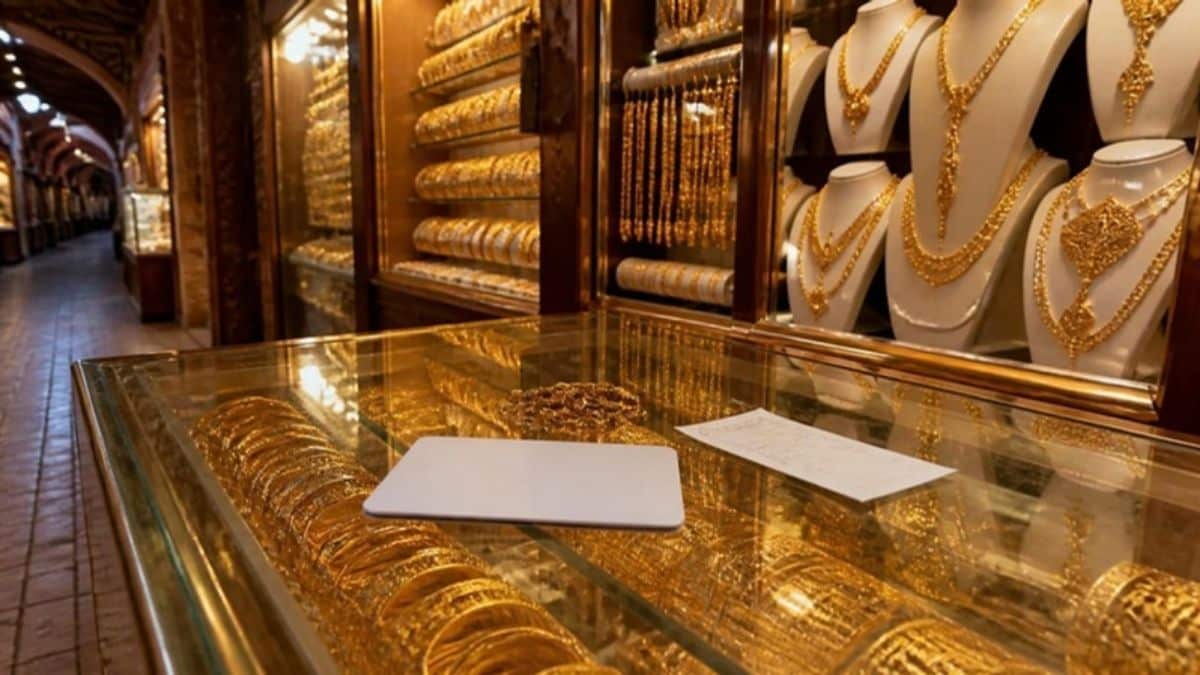
Buying gold in Saudi Arabia with cash now comes with an ID check once the bill reaches SAR 50,000. The Ministry of Commerce has told gold, precious metals and gemstone traders to verify the identity of any customer who buys or sells for SAR 50,000 or more in cash, whether in one deal or across several deals that appear linked, Okaz reported on 6 October 2026.
For expats, that means your iqama goes on the counter before the jeweller wraps a large wedding set or buys back your old gold.
What changed for gold buyers and sellers
The directive sets a clear cash threshold for identity checks at gold shops. At SAR 50,000 or more, the trader must confirm who you are, check that the document is valid, and keep the records.
- Threshold: SAR 50,000 or more, paid or received in cash.
- Linked deals count: splitting one purchase into several smaller cash payments that look connected does not avoid the check.
- Both directions: the rule covers buying from the shop and selling gold to it.
- Signs in store: shops must display awareness notices in places customers can see, explaining the procedure.
The Ministry tied the instruction to the Precious Metals and Gemstones Law and its executive regulations, and to the Anti-Money Laundering Law. It sent the instructions to traders through the Federation of Saudi Chambers.
Which ID documents gold shops will accept
The accepted document depends on your status in the Kingdom. It must be valid on the day of the transaction, not just present.
| Customer | Document required |
|---|---|
| Saudi citizen | Valid national ID |
| Resident expat | Valid iqama (resident ID) |
| Visitor or non-resident | Valid passport |
Other identity documents or verification methods can also be used if they are legally approved.
In practice, an expired iqama is the snag most likely to hold you up. If your employer is late renewing it, check the expiry date on Absher before a big purchase.
Also read: Gold Rate in KSA Today: 24K, 22K, 21K & 18K
Who is affected
Anyone paying or receiving SAR 50,000 or more in cash at a gold, jewellery or gemstone business is covered. That includes expat families buying wedding jewellery, workers selling gold before a final exit, and visitors shopping in the souq.
Smaller everyday purchases sit below the threshold. The Ministry was clear, though, that the limit does not cancel other duties. Shops must still issue invoices and record customer details required under the precious metals rules, and they must report suspicious transactions of any value.
Traders also have to apply enhanced checks, regardless of the amount, when they suspect money laundering or terrorist financing, or when the customer’s information looks incomplete or doubtful.
What expats should do now
- Carry your original iqama when you plan a large gold purchase or sale. A photo on your phone may not satisfy the check.
- Check the expiry date on Absher first. Renewals are handled by your employer through Muqeem, so raise it early if the date is close.
- Do not split payments to stay under SAR 50,000. Linked cash deals are treated as one.
- Keep your invoice. It records the weight, karat and price, and you will want it if you later sell the gold or carry it abroad.
- Consider paying by card or bank transfer for big amounts. The directive is framed around cash, and an electronic payment leaves its own clear record.
If you are flying with jewellery, remember this is a separate rule from the border declaration. Cash, gold and precious metals worth SAR 40,000 or more must be declared to customs when entering or leaving the Kingdom.
What has not been announced yet
The reports do not give a separate start date, so shops are expected to apply the check now. The Ministry has not published specific penalties for traders who skip it, and it has not said whether card payments above the threshold need the same ID step. Updates usually appear first on the Ministry of Commerce website.
For most expats the change is small: bring a valid iqama, keep your receipt, and expect the jeweller to ask.
