


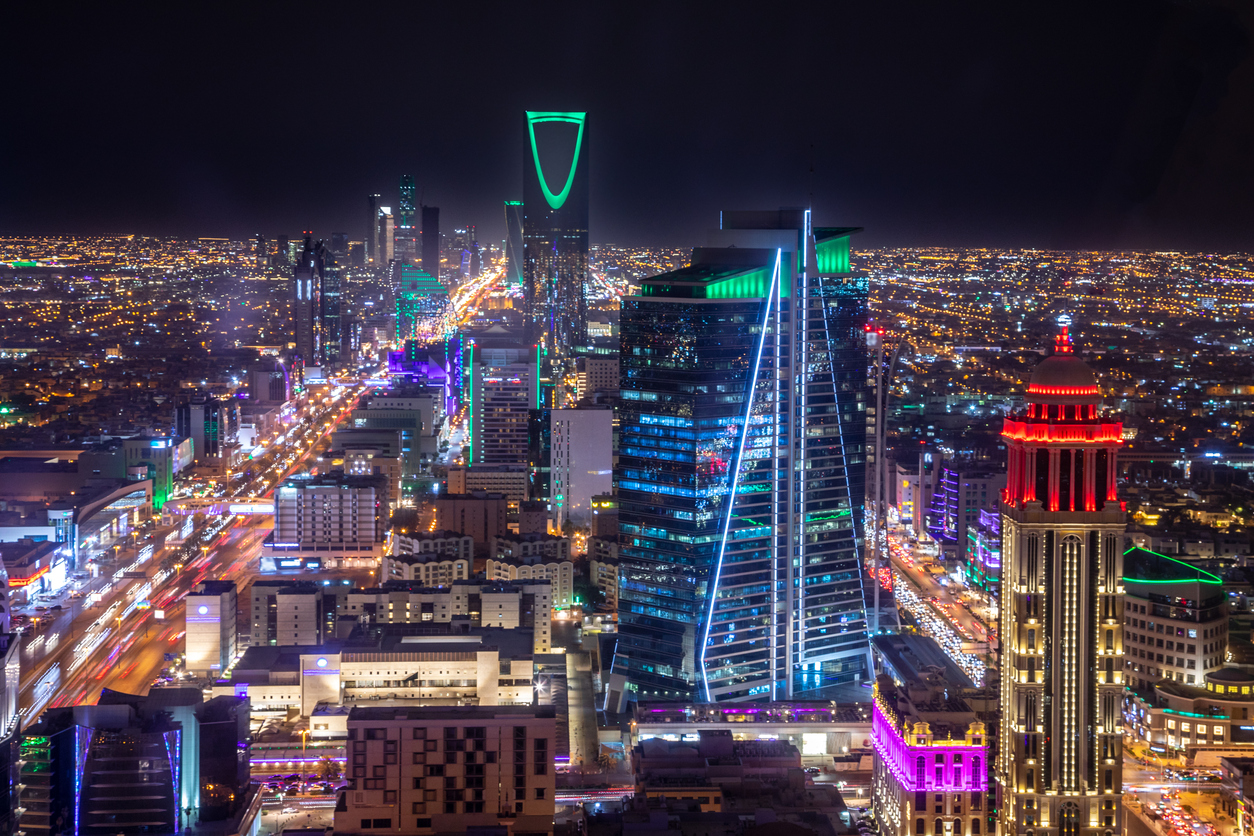
Life in Saudi Arabia has transformed more in the last decade than most countries have in fifty years. Once known primarily for oil and strict traditions, Saudi Arabia today is a rapidly modernizing nation that welcomes professionals, families, entrepreneurs, and skilled workers from across the world. With Vision 2030 reshaping daily life, work culture, entertainment, and social freedoms, many expats now consider Saudi Arabia not just a temporary stop—but a long-term home.
This guide is written for people who want real answers, not assumptions. Whether you are planning to move, already living here, or evaluating a job offer, this pillar article explains how life in Saudi Arabia truly works today—from culture and costs to work, family life, and everyday routines.
Whether you are:
- Planning to move to Saudi Arabia
- Already living here as an expat
- Considering a job offer
- Bringing your family
- Or simply curious about daily life
What Is Life in Saudi Arabia Really Like?
Life in Saudi Arabia today is a balance between tradition and modern living. While Islamic values continue to shape social norms and daily routines, cities like Riyadh, Jeddah, Khobar, and Dammam offer a lifestyle that feels increasingly global. Shopping malls, international restaurants, cinemas, concerts, and family entertainment zones are now part of everyday life.
At the same time, Saudi Arabia is not a casual tourist destination—it is a country with clearly defined laws and expectations. People who respect the system, understand the culture, and follow regulations usually experience a peaceful, stable, and rewarding lifestyle. Those who arrive with outdated perceptions often struggle unnecessarily.
Life in Saudi Arabia for Expats
Life in Saudi Arabia for expats is structured but comfortable. Millions of expatriates from Pakistan, India, the Philippines, Egypt, Europe, and North America live and work across the Kingdom. Most expats arrive for career opportunities and stay longer than planned due to financial stability and safety.
Expats enjoy tax-free income, secure cities, and access to modern healthcare and infrastructure. However, adjustment is required. Bureaucracy, sponsorship rules, and cultural differences can feel overwhelming initially. With time, most expats learn how systems work and begin to appreciate the predictability and security that Saudi life offers.
Related: https://saudilifeguide.com/first-30-days-in-saudi-arabia-guide/
Culture, Religion, and Social Norms
Saudi culture is deeply rooted in Islam, and this influences daily life in visible and subtle ways. Prayer times are observed nationwide, and many businesses pause briefly during prayers. Respect for elders, modesty, and polite public behavior are highly valued.
Social interactions tend to be warm but respectful. Loud confrontations, public arguments, or disrespectful behavior can attract unwanted attention. While society has become more relaxed, understanding cultural boundaries remains essential for a smooth life in Saudi Arabia.
Related: https://saudilifeguide.com/ramadan-in-saudi-arabia-guide/
Dress Code and Public Behavior
The dress code in Saudi Arabia has evolved significantly. While modest clothing is still expected in public spaces, strict enforcement has eased. Women are no longer legally required to wear an abaya, though many choose to do so. Men should avoid shorts in formal or government settings but face few restrictions otherwise.
Public behavior matters more than appearance. Acting respectfully, avoiding public displays of anger, and understanding local sensitivities are more important than following rigid dress rules.
Average Cost of Living in Saudi Arabia
The average cost of living in Saudi Arabia depends largely on your lifestyle, city, and family size, but overall the Kingdom remains financially attractive for expats due to tax-free salaries and subsidized services. While Saudi Arabia is no longer considered “cheap,” it still offers strong value compared to many Western and Gulf countries.
For most expats, rent is the biggest monthly expense, especially in cities like Riyadh and Jeddah. A typical monthly rent can average around SAR 4,750, depending on whether you choose shared accommodation, an apartment, or a family compound. Grocery expenses usually fall around SAR 3,000 per month, covering both local and imported food items. Transportation costs are relatively low due to affordable fuel, averaging SAR 650 per month, whether you own a car or use ride-hailing services.
Utilities such as electricity, water, and internet typically cost around SAR 1,000 per month, although heavy air-conditioning use in summer can increase electricity bills. Healthcare spending averages SAR 175 per month, as most employers provide mandatory health insurance. Entertainment, dining out, and leisure activities can cost approximately SAR 800 per person per month, depending on lifestyle choices. Altogether, the average monthly cost of living for a single person comes close to SAR 10,375, though families will naturally spend more.
Related: https://saudilifeguide.com/how-to-save-money-in-saudi-arabia/
| Expense Category | Average Monthly Cost (SAR) | What This Typically Includes |
|---|---|---|
| Rent | 4,750 SAR | Apartment or shared accommodation in a mid-range area |
| Groceries | 3,000 SAR | Local & imported food, basic household items |
| Transportation | 650 SAR | Fuel, car maintenance, Uber/Careem, public transport |
| Utilities | 1,000 SAR | Electricity, water, gas, internet (higher in summer due to AC) |
| Healthcare | 175 SAR | Out-of-pocket expenses (insurance usually covered by employer) |
| Entertainment & Dining | 800 SAR | Eating out, cafes, movies, leisure activities |
| Total Estimated Cost | 10,375 SAR | Average monthly cost for a single expat |
Important note:
Families typically spend more on housing and schooling, while single professionals or shared housing residents can reduce overall expenses significantly. Thanks to tax-free salaries, many expats still manage to save a substantial portion of their income.
Jobs and Working Life in Saudi Arabia
Saudi Arabia remains one of the strongest job markets in the Middle East. Industries such as IT, engineering, healthcare, construction, education, finance, and energy continue to hire expats. Vision 2030 has also created new opportunities in tourism, entertainment, digital services, and startups.
Work culture is generally hierarchical, and decision-making often comes from the top. The workweek runs from Sunday to Thursday, with Friday and Saturday off. Contracts are extremely important, and expats should always ensure their job offer is written, detailed, and officially registered.
Related: 10 Practical Ways to find a job in Saudi Arabia with a Hidden Gem Included
Climate and Seasons in Saudi Arabia
The climate plays a major role in shaping life in Saudi Arabia, and understanding it helps new arrivals adapt comfortably. The Kingdom experiences a predominantly hot and dry climate, but it also offers surprising geographic diversity, ranging from deserts and coastlines to green mountains and even occasional snowfall.
Saudi Arabia has four main seasons, each with its own character. While temperatures are generally high, especially due to the country’s location and desert landscape, modern infrastructure such as air-conditioning makes daily life manageable year-round. Staying hydrated and planning outdoor activities wisely are key habits for long-term comfort.
| Season | Time Period | Average Temperature | Weather Characteristics | What to Expect in Daily Life |
|---|---|---|---|---|
| Spring | Mid-March to Mid-June | 20°C – 35°C (68°F – 95°F) | Mild warmth, occasional rain, cooler nights in the north | Ideal for travel, light outdoor activities, occasional rain showers |
| Summer | Mid-June to Mid-September | Up to 45°C (113°F) | Extremely hot and dry (milder in southwestern highlands) | Outdoor activities limited to early morning or night; heavy AC usage |
| Autumn | Mid-September to Mid-December | 25°C – 35°C (77°F – 95°F) | Gradual cooling, pleasant evenings, coastal breezes | Best season for festivals, evening outings, and travel |
| Winter | Mid-December to Mid-March | 0°C – 27°C (32°F – 80°F) | Cool to mild; snow possible in northern mountains | Peak outdoor season, desert camping, city festivals |
Currency and Payments in Saudi Arabia
The official currency of the Kingdom is the Saudi Riyal (SAR), abbreviated as س.ر, and divided into 100 halalas. Currency exchange is straightforward, with banks and licensed exchange bureaus available at airports, shopping centers, and city hubs.
Saudi Arabia is largely a cashless society. Visa, MasterCard, and American Express cards are widely accepted, but the most commonly used payment method is Mada, the national debit card system linked directly to local bank accounts. Many local shops and online platforms accept Mada only, making it essential for daily transactions.
Money transfer services operate under strict regulation, ensuring secure domestic and international transfers. It is also important to note that all goods and services are subject to a 15% VAT, which is already included in displayed prices.
Cultural and Touristic Attractions
Saudi Arabia has emerged as a major cultural and tourism destination, blending ancient history with modern entertainment. The country’s rich heritage, diverse landscapes, and expanding tourism infrastructure make it attractive to visitors and residents alike.
Culturally, Saudi Arabia is home to the holy cities of Makkah and Madinah, which receive millions of pilgrims annually. In addition, several UNESCO World Heritage Sites highlight the Kingdom’s deep historical roots, including Historic Jeddah, Al-Ahsa Oasis, Hegra Archaeological Site, and At-Turaif District in Diriyah.
Related: https://saudilifeguide.com/six-flags-qiddiya-city-visitor-guide/
Public Holidays in Saudi Arabia
Saudi Arabia observes four major public holidays each year, each reflecting the country’s history and Islamic heritage. These holidays significantly influence work schedules, travel plans, and daily routines.
Founding Day, celebrated on February 22, honors the establishment of the Saudi state in 1727. Cities across the Kingdom host cultural events, performances, and fireworks.
Saudi National Day, observed on September 23, commemorates the unification of the Kingdom in 1932 and is marked by nationwide celebrations, decorations, and public festivities.
Eid Al Fitr marks the end of Ramadan and lasts for three days. It is a time of generosity, family gatherings, gift-giving, and charitable acts. Most businesses close during the holiday as families celebrate together.
Eid Al Adha, the Feast of Sacrifice, occurs roughly two months later and focuses on community sharing, remembrance, and family unity. Many shops remain closed as people spend time with loved ones.
Related: https://saudilifeguide.com/is-christmas-a-public-holiday-in-saudi-arabia/
Family Life in Saudi Arabia
Family life in Saudi Arabia is calm, structured, and safe. Many expat families appreciate the low crime rate, family-friendly environments, and Islamic values. Residential compounds, parks, and malls offer comfortable social spaces, especially in major cities.
Schooling can be expensive, especially international schools, but the quality is generally high. Healthcare is excellent and usually covered by employer-provided insurance. Many families find Saudi Arabia more stable for raising children than fast-paced Western cities.
Women’s Life in Saudi Arabia
Women’s life in Saudi Arabia has changed dramatically. Women can now drive, work in most professions, travel independently, and participate fully in public life. Female expats generally experience few restrictions, especially in urban areas.
Saudi Arabia is not restrictive for professional or working women, and many female expats report feeling safer here than in many other countries.
Daily Life: Transport, Shopping, and Food
Daily life in Saudi Arabia is convenient and modern. Most people rely on cars, though ride-hailing services like Uber and Careem are widely used. Public transport is expanding, especially with the Riyadh Metro.
Shopping is one of the most popular activities, with world-class malls offering international brands. Food culture is diverse, ranging from traditional Saudi cuisine to Pakistani, Indian, Arab, Western, and fast-food options. Online food delivery is extremely common and affordable.
Laws, Rules, and Systems Expats Must Know
Understanding Saudi systems is essential for stress-free living. Government services are highly digitized through platforms like Absher, which handles visas, driving licenses, and personal records. Residency matters are managed by Jawazat, while employment regulations fall under the Ministry of Human Resources.
Saudi Arabia enforces laws strictly. Alcohol and drugs are completely illegal, and violations can result in severe punishment. Respecting local laws is the foundation of a safe and peaceful life in the Kingdom.
| Website / Platform | Purpose | Who Should Use It |
|---|---|---|
| Absher | Digital services for residency, visas, driving licenses, traffic fines | All residents & expats |
| MyGov.sa | Central portal for all Saudi government services | Residents & citizens |
| Jawazat | Iqama, exit/re-entry visas, passport matters | Expats & sponsors |
| Ministry of Human Resources | Labor laws, contracts, Saudization, complaints | Employees & employers |
| Saudi Traffic Department | Driving licenses, vehicle registration, traffic rules | Drivers |
| Zakat, Tax and Customs Authority | VAT, customs duties, business taxation | Businesses & freelancers |
| Visit Saudi | Tourism info, attractions, events | Visitors & residents |
| Saudi Health Services | Health appointments & medical services | All residents |
Important Emergency & Service Phone Numbers in Saudi Arabia
Saudi Arabia has a well-organized emergency response system. Knowing these numbers can be extremely helpful in urgent situations and adds peace of mind to daily life.
| Service | Phone Number | When to Call |
|---|---|---|
| Police | 999 | Crime, emergencies, immediate danger |
| Ambulance | 997 | Medical emergencies |
| Fire Department | 998 | Fire accidents or rescue |
| Traffic Police | 993 | Road accidents, traffic incidents |
| Civil Defense | 998 | Natural disasters, rescue operations |
| Electricity Emergency | 933 | Power outages |
| Water Emergency | 939 | Water supply issues |
| Absher Support | 920020405 | Absher technical or service issues |
| Consumer Protection | 1900 | Complaints about services or pricing |
Basic Arabic Conversation Table (For Daily Life)
Learning a few Arabic phrases greatly improves social interaction and helps expats integrate smoothly into life in Saudi Arabia. Even simple greetings are appreciated and often lead to friendlier service and communication.
| English Phrase | Arabic (Arabic Script) | Arabic (Pronunciation) |
|---|---|---|
| Hello | سلام | Salam |
| Thank you | شكراً | Shukran |
| Good morning | صباح الخير | Sabah al-khair |
| Good evening | مساء الخير | Masaa al-khair |
| How are you? (Male) | كيف حالك؟ | Kaifa halak? |
| How are you? (Female) | كيف حالكِ؟ | Kaifa halik? |
| Do you speak English? | هل تتكلم الإنجليزية؟ | Hal tatakallam ingliziya? |
| Can you help me? | هل يمكنك مساعدتي؟ | Hal yumkinuka musa‘adati? |
| Yes | نعم | Na‘am |
| No | لا | La |
| Sorry | آسف | Aasif |
| Goodbye | مع السلامة | Ma‘a as-salama |
Pros and Cons of Life in Saudi Arabia
Life in Saudi Arabia offers many advantages, including tax-free income, strong job security, modern infrastructure, and personal safety. At the same time, expats must adapt to cultural norms, hot summers, and bureaucratic systems.
Those who view Saudi Arabia as a long-term opportunity rather than a short stay tend to benefit the most.
Frequently Asked Questions
Is life in Saudi Arabia good for expats?
Yes, especially for professionals and families seeking stability, safety, and financial growth.
Can expats live freely in Saudi Arabia?
Yes, as long as they respect local laws and culture.
Is Saudi Arabia safe?
Saudi Arabia is among the safest countries globally.
Is Arabic required to live in Saudi Arabia?
Not mandatory, but helpful outside major cities.
Key Takeaways
Life in Saudi Arabia today is modern, secure, and full of opportunity for those who understand the culture and system. It offers career growth, financial savings, and family stability that few countries can match. With the country evolving rapidly, now is one of the best times to experience life in Saudi Arabia.