


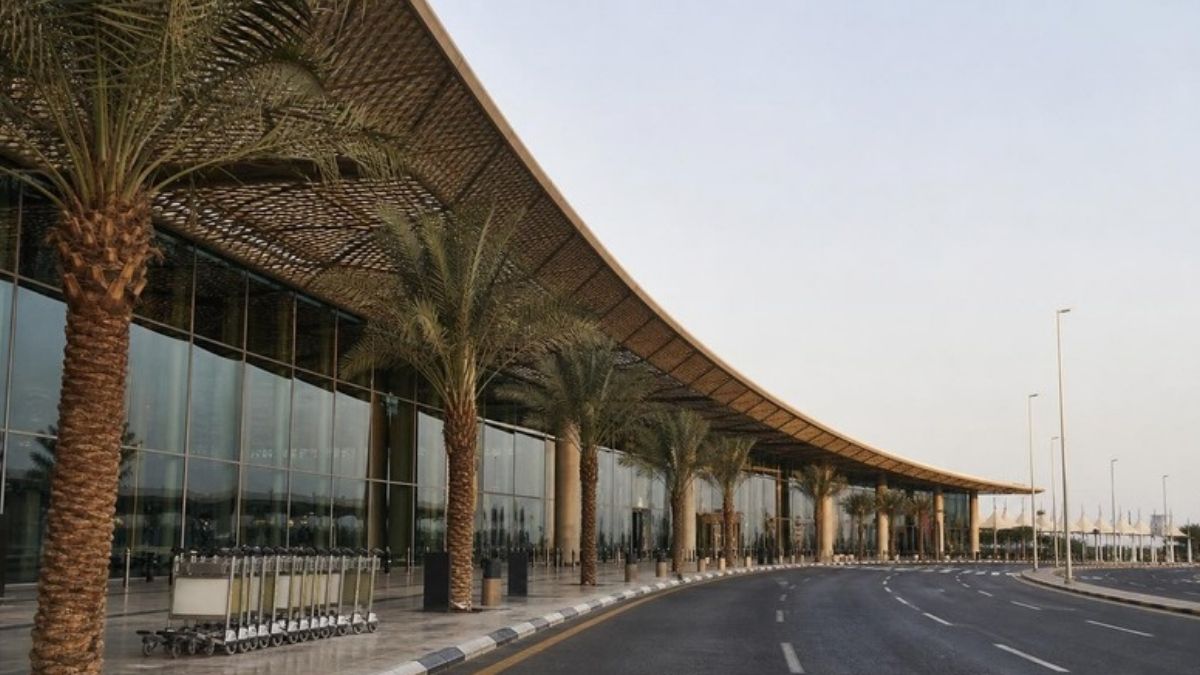
Riyadh airport suspended operations on Saturday 10 October 2026 after a new attack on King Khalid International Airport left several people injured. The General Authority of Civil Aviation (GACA) announced the suspension in a statement on X, saying flights will stay halted until the damage is assessed and the airport’s facilities are confirmed safe.
The exact number of injured had not been confirmed when GACA issued its statement. It is the latest strike on the capital’s main airport in a week that has already seen several deaths.
What happened at King Khalid International Airport
The attack hit the airport on Saturday afternoon, and GACA says the injured are still being counted. The authority described it as part of ongoing attacks targeting civil aviation facilities in the Kingdom.
Reuters spoke to eyewitnesses who reported an explosion and travellers being evacuated from parts of the terminal, with more than a dozen ambulances heading to the site. Flight tracking data showed flights bound for Riyadh being diverted or cancelled.
GACA said it is working with the relevant security authorities and will announce updates once the assessment is complete. Its official statements are published on the GACA website and its X account, and government updates also appear through the Saudi Press Agency.
Follow Saudi Life Guide for Iqama, visa and job updates
New rules, fees and news as soon as we publish them. Join 107,000+ followers on Facebook.
Who is affected
Anyone flying into or out of Riyadh today is affected, along with people collecting arrivals and staff working at the airport. Several foreign embassies, including the US and UK missions in Riyadh, told their citizens to stay away from the airport and the surrounding area.
Airlines had already been cutting back before Saturday. Lufthansa Group suspended Riyadh flights until 16 October, Air India and Air India Express cancelled services until 10 October, and PIA paused its Riyadh flights on 9 October. Kuwait Airways cancelled its Riyadh flights on Saturday, while Etihad and Qatar Airways cancelled some services, with a few cancellations stretching into Monday.
For expats, the biggest pressure points are planned trips home, family members due to arrive, and work trips booked through Riyadh.
What travellers and expats should do now
Do not go to the airport until your airline confirms your flight is operating. King Khalid International Airport had already asked passengers on Saturday to contact their airlines directly before setting out.
- Check with your airline first. Use the airline’s app, website or call centre. Airport resumption does not mean your specific flight will run.
- Keep your booking reference and receipts. You will need them for rebooking, refunds or any hotel and transport claim later.
- Talk to your employer if your exit re-entry visa or iqama is close to expiry. Extensions still go through Muqeem or Absher, and no special grace period has been announced.
- Follow your embassy’s official channels. Many embassies issue travel advice and registration links during disruptions like this.
- Stay away from the airport area. Leave the roads clear for emergency teams, avoid filming near the site and do not share unverified clips or casualty claims.
If you have a flight in the next few days, consider asking your airline about moving it to Jeddah or Dammam, but only once they confirm seats and that those routes are running normally.
How this fits with earlier attacks this week
Saturday’s attack follows two strikes on the same airport on Thursday 8 October, which GACA said killed three Saudi citizens, including Saudia captain Hamoud Ali Alkalthami, and damaged a Saudia aircraft. Operations resumed the same day after that incident.
Earlier in the week, a Sudanese man was killed in an attack on King Khalid International, and two women died when Abha International Airport was hit. Yemen’s Houthis claimed Thursday’s missile strike. GACA’s statement on Saturday did not name who carried out the latest attack.
What is still unclear
GACA has not yet said how many people were hurt, when flights will restart, or whether passengers will get any special rebooking or refund arrangements. In practice, airlines decide most of this first, so your airline is the place to watch.
Riyadh airport suspended flights for only a few hours after Thursday’s attack, but no timeline has been given this time. We will update this page as soon as GACA confirms when it reopens. For the latest change, see Riyadh airport Terminal 1 now handling domestic flights from 25 October.