



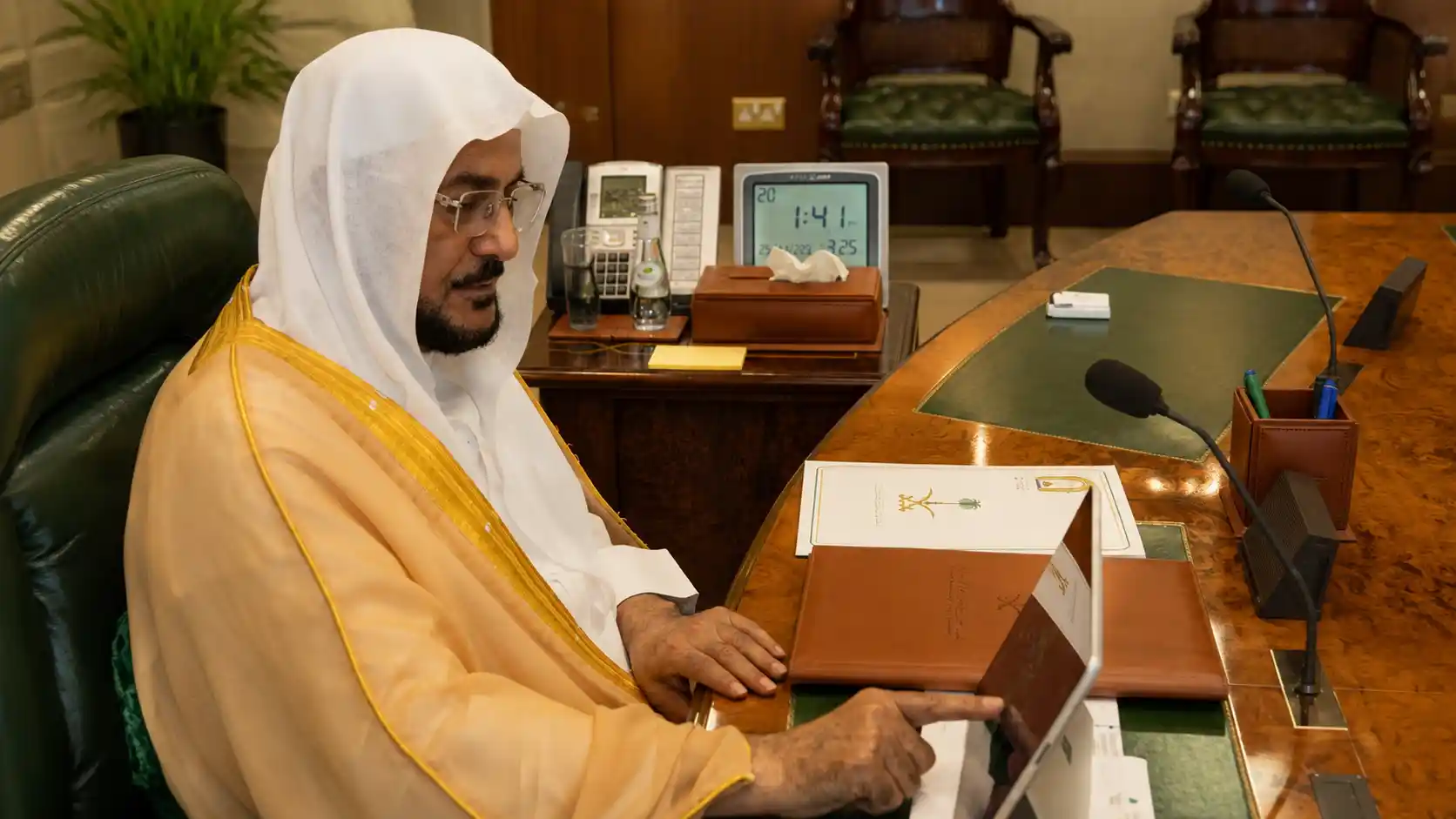
Saudi Arabia’s digital transformation strategy under Vision 2030 continues to set new benchmarks for public sector modernization. In a significant administrative upgrade, the Ministry of Islamic Affairs, Dawah and Guidance, working in technical synchronization with the Saudi Data and Artificial Intelligence Authority (SDAIA), officially launched the digital ‘New Muslim’ Card service.
This modern initiative fully digitizes the administrative framework associated with declaring Islam in Saudi Arabia. Hosted directly inside the Kingdom’s primary national super app Tawakkalna this digital credential transforms what was historically a paper-heavy, multi-step process into an instant, secure, and fully verifiable digital asset.
Whether you are an expatriate living in Saudi Arabia, a community member guiding a new convert, or a researcher analyzing digital government initiatives across the GCC region, this comprehensive guide provides an end-to-end breakdown of the service, its technical infrastructure, legal standing, and step-by-step operational workflows.
Understanding the Digital ‘New Muslim’ Card Initiative
The digital New Muslim card is an officially issued electronic identity document designed to serve as recognized, legal proof of declaring Islam within the Kingdom of Saudi Arabia.
Historically, individuals making their formal declaration of faith (Shahada) had to navigate manual workflows. This required physically visiting local branches of the Ministry of Islamic Affairs, filling out physical application forms, presenting paper identification, and waiting days or weeks for manual processing, approval, and paper certificate printing.
Key Changes Introduced by the Digital System
- End-to-End Automation: The entire processing pipeline from submission and document verification to administrative sign-off—is handled through centralized electronic systems.
- Seamless Tawakkalna Integration: The moment an application is approved by ministry officials, the system automatically pushes the official credential into the beneficiary’s Tawakkalna profile under digital identity documents.
- Dynamic QR Code Verification: Rather than relying on physical stamps or paper credentials, the digital card features an encrypted dynamic Quick Response (QR) code for real-time validation across government and private institutions.
Complete Feature & Specification Matrix
To ensure clarity regarding the operational scope of this digital service, the key technical and administrative parameters are detailed below:
| Parameter | Operational Specification |
| Primary Governing Body | Ministry of Islamic Affairs, Dawah and Guidance |
| Technical Partner & Infrastructure | Saudi Data and Artificial Intelligence Authority (SDAIA) |
| Hosting Application | Tawakkalna Super App (Personal / Digital Documents Section) |
| Primary Identifier | Dynamic Encrypted QR Code |
| Authentication Standard | Tied directly to National ID / Iqama records via Absher framework |
| Processing Timeframe | Instant issuance to app upon digital administrative sign-off |
| Legal Validity | Recognized official legal proof across all government sectors in KSA |
| Target Audience | Expatriates, residents, and individuals converting to Islam within Saudi Arabia |
Core Benefits of Digitalization for Beneficiaries and Authorities
The transition from physical paper certificates to a centralized digital framework provides significant advantages for both end-users and administrative authorities.
1. Convenience and Loss Prevention
Physical paper certificates are vulnerable to physical wear, water damage, or accidental loss. Replacing paper documents with a secure digital version inside Tawakkalna ensures that beneficiaries always have their official proof accessible on their mobile devices, whether for local administrative tasks or religious travel arrangements.
2. Elimination of Document Forgery
Paper certificates are historically susceptible to unauthorized duplication or alterations. The Tawakkalna digital card incorporates dynamic cryptographic QR technology managed directly by SDAIA. When scanned by authorized personnel using government verification tools, the system cross-references the record live against official ministry databases, completely eliminating fraudulent activity.
3. High-Quality Administrative Data and Real-Time Insights
Manual record-keeping often leads to data entry errors, lost files, and delayed statistical tracking. By fully automating the application and issuance pipeline, the Ministry of Islamic Affairs maintains clean, error-free databases. This real-time data access helps decision-makers plan community outreach programs, allocate resources accurately, and deliver localized support services.
4. Administrative Cost and Efficiency Optimization
By removing paper forms, manual printing, ink stamping, and physical archiving, the ministry significantly reduces its operational overhead while drastically shortening processing times for applicants.
Detailed Step-by-Step Workflow: From Application to Issuance
The digital card lifecycle transitions through a secure, interconnected ecosystem involving the applicant, ministry review teams, and national digital infrastructure.
+-------------------------------------------------------+
|  1. Online Application & Document Submission          |
|     (Ministry of Islamic Affairs Web Portal)          |
+-------------------------------------------------------+
                           │
                           ▼
+-------------------------------------------------------+
|  2. Automated Verification & Official Review          |
|     (Ministry Administrative Sign-Off)                |
+-------------------------------------------------------+
                           │
                           ▼
+-------------------------------------------------------+
|  3. Secure Data Integration Transmission              |
|     (SDAIA Infrastructure Core)                       |
+-------------------------------------------------------+
                           │
                           ▼
+-------------------------------------------------------+
|  4. Automatic Card Issuance & Presentation            |
|     (Tawakkalna App Personal Wallet)                  |
+-------------------------------------------------------+
                           │
                           ▼
+-------------------------------------------------------+
|  5. Real-Time Security Verification                   |
|     (Dynamic QR Code Scan by Authorized Agencies)     |
+-------------------------------------------------------+
Phase 1: Application and Data Submission
Applicants log into the official Ministry of Islamic Affairs digital service portal. Personal identification details are verified using integrated national database frameworks (such as Absher/Iqama records). The applicant inputs required information regarding their formal declaration.
Phase 2: Administrative Review and Approval
Designated ministry officials receive the digital application through an internal portal. The submitted details are cross-referenced for accuracy. Upon satisfying administrative requirements, the officer approves the record electronically.
Phase 3: SDAIA Data Synchronization
Once approved, the system triggers a secure data exchange protocol managed by SDAIA. The approval status and generated digital credential records are synchronized instantly across secure channels to the Tawakkalna infrastructure.
Phase 4: App Display and Activation
Without requiring manual intervention or separate downloads, the digital “New Muslim” card automatically displays within the applicant’s Tawakkalna app under their active digital documents section.
How to Access and Present Your Digital Card in Tawakkalna
Navigating the Tawakkalna mobile interface to view or present your card requires only a few steps.
- Launch the Tawakkalna Application: Open the official Tawakkalna app on your mobile device. Ensure you are running the latest version of the app from the official iOS App Store or Google Play Store.
- Authenticate Login: Sign in securely using your standard login credentials (Iqama/National ID number and password) integrated with your Absher authentication.
- Navigate to Digital Documents: On the home dashboard, locate and tap on the “Personal” or “Digital Documents” tab.
- Locate the New Muslim Card: Scroll through your list of registered digital documents (such as driving licenses, national IDs, and health records) until you see “New Muslim Card”.
- Display for Verification: Tap on the card to open its expanded view. The app will display your full legal name, document number, issuing date, and the encrypted verification QR code for scanning.
Technical Infrastructure: The Role of SDAIA and Tawakkalna
The success of Saudi Arabia’s digital services relies heavily on the unified national technology stack built by SDAIA. Tawakkalna has evolved from a pandemic-era health tracking app into Saudi Arabia’s premier national super app, hosting dozens of administrative services, digital IDs, licenses, and religious service credentials.
Key Infrastructure Pillars Enabling This Service
- Unified Digital Identity: Tying credentials to a user’s unique Iqama/National ID removes the need for multiple accounts or fragmented user profiles.
- Encrypted Data Transport: Data shared between the Ministry of Islamic Affairs and Tawakkalna moves over encrypted, government-grade networks protected by strict cybersecurity protocols.
- Dynamic QR Generation: Rather than showing a static image, the app generates a dynamic verification element that refreshes to prevent simple screenshot duplication or unauthorized cloning.
Strategic Alignment with Saudi Vision 2030
The introduction of the digital New Muslim card aligns with the goals of Saudi Vision 2030, specifically the Quality of Life Program and the National Digital Transformation Plan.
Key Strategic Objectives Supported:
- Paperless Government Operations: Eliminating paper-based administration across all government ministries to reduce carbon footprint and processing waste.
- Enhanced User Experience: Providing residents, citizens, and visitors with instant access to public services via mobile devices.
- Cross-Departmental Collaboration: Demonstrating effective inter-agency integration between religious bodies (Ministry of Islamic Affairs) and technical authorities (SDAIA).
Comparison: Old Manual Process vs. Modern Digital System
To understand the scope of this upgrade, consider how the legacy paper system compares to the new Tawakkalna digital service:
| Comparison Metric | Traditional Legacy Process | Modern Tawakkalna System |
| Submission Method | In-person physical branch visit | 100% online portal submission |
| Processing Time | Several days to weeks | Instant upon ministry approval |
| Document Format | Paper certificate with physical stamp | Encrypted digital card in app |
| Verification Method | Manual document check / phone call | Instant dynamic QR code scan |
| Risk of Loss/Damage | High (physical paper risk) | Zero (stored securely on cloud profile) |
| Environmental Impact | Paper, ink, and travel intensive | 100% paperless and eco-friendly |
Final Summary
The launch of the digital New Muslim card on Tawakkalna demonstrates Saudi Arabia’s commitment to modernizing government services. By automating workflows, removing paper friction, and securing credentials with real-time QR verification, the Ministry of Islamic Affairs and SDAIA have built a fast, user-friendly system for new Muslims across the Kingdom.
Frequently Asked Questions (FAQs)
Do I still need to carry a printed paper certificate?
No. The digital New Muslim card inside Tawakkalna serves as a legally recognized official document across government and private sectors in Saudi Arabia. Authorized inspectors can verify authenticity on the spot via the dynamic QR code.
Is the card available to expatriates living in the Kingdom?
Yes. Any resident holding a valid Iqama who completes the official declaration of faith through the Ministry of Islamic Affairs web portal will have the card issued directly to their Tawakkalna account upon approval.
What should I do if my card does not appear after approval?
If your application has been approved but the document does not show up immediately, log out of the Tawakkalna app, update to the latest app version via your mobile store, and log back in. If the issue persists, contact the Ministry of Islamic Affairs technical support hotline.
Does the digital card work offline without internet?
Basic document details can be displayed offline if cached in your app. However, live QR code verification by an official requires an active mobile data or Wi-Fi connection.
